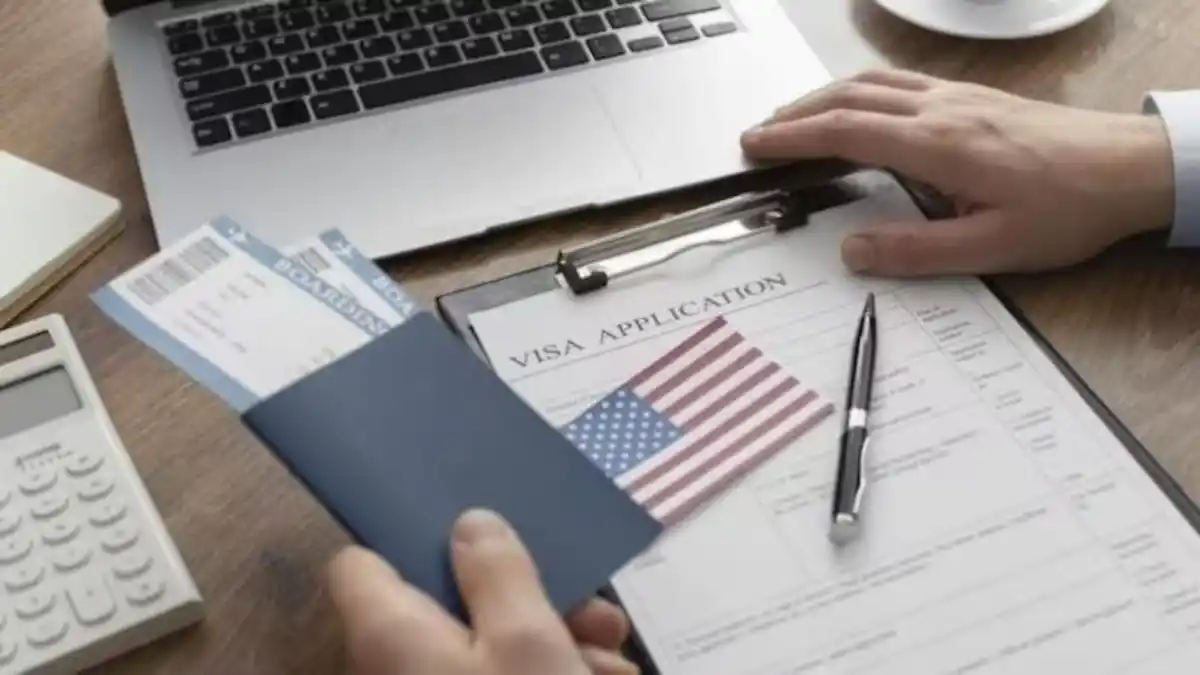
A proposed update to U.S. immigration policy is drawing global attention after reports suggested that certain B1/B2 visa holders could be required to pay a visa bond ranging from $5,000 to $15,000 upon entry. The measure, if implemented, would apply to travelers from 38 designated countries and is intended to address visa overstay concerns.
Here’s what the proposal involves, who could be affected, and what travelers should know.
What Is a US Visa Bond?
A visa bond is a financial guarantee required from certain nonimmigrant visitors. The bond is typically refundable if the traveler complies with the terms of their visa and leaves the United States within the authorized stay period.
Under this proposed framework, selected B1/B2 visitors could be asked to deposit between $5,000 and $15,000 as a condition of entry. The amount may vary depending on country-specific overstay rates and immigration compliance data.
Who Could Be Affected?
The B1/B2 visa category is commonly used for:
- Business travel (B1)
- Tourism and family visits (B2)
The proposal reportedly targets travelers from countries with historically higher overstay rates. However, not every visitor from those countries would automatically be subject to the bond. Final implementation details, exemptions, and enforcement procedures would depend on official rulemaking.
Why Is the Bond Being Considered?
U.S. authorities have periodically reviewed visa overstay rates as part of immigration enforcement policy. A bond system is intended to serve as a compliance incentive, ensuring visitors depart within the authorized timeframe.

Officials argue that refundable bonds could reduce overstays while maintaining lawful travel opportunities for legitimate visitors.
Has the Rule Been Officially Implemented?
As of now, the bond requirement remains a policy proposal and has not been universally applied at all ports of entry. Any nationwide enforcement would require formal publication through U.S. immigration authorities and clear guidance to airlines and border officers.
Travelers should rely on official announcements from U.S. immigration agencies before making assumptions about entry requirements.

What Happens if the Bond Is Paid?
If implemented, visitors who comply with their visa terms and depart the U.S. on time would be eligible for a refund of the bond. Failure to comply could result in forfeiture of the deposit and potential future visa complications.
Refund timelines and procedures would likely be detailed in official guidance.
What Travelers Should Do Now
B1/B2 visa holders planning travel to the United States should:

- Monitor official updates from U.S. immigration agencies
- Verify entry requirements before departure
- Consult their local U.S. embassy or consulate for clarification
- Avoid relying on unverified social media claims
Changes in visa policy are typically announced formally and include clear implementation dates.
Final Takeaway
The proposed $5,000–$15,000 visa bond for certain B1/B2 visitors represents a potential shift in U.S. entry policy. While intended to address visa compliance issues, the measure has not been universally implemented at this time.
Travelers should stay informed through official government sources to ensure they meet all entry requirements and avoid unexpected complications during international travel.