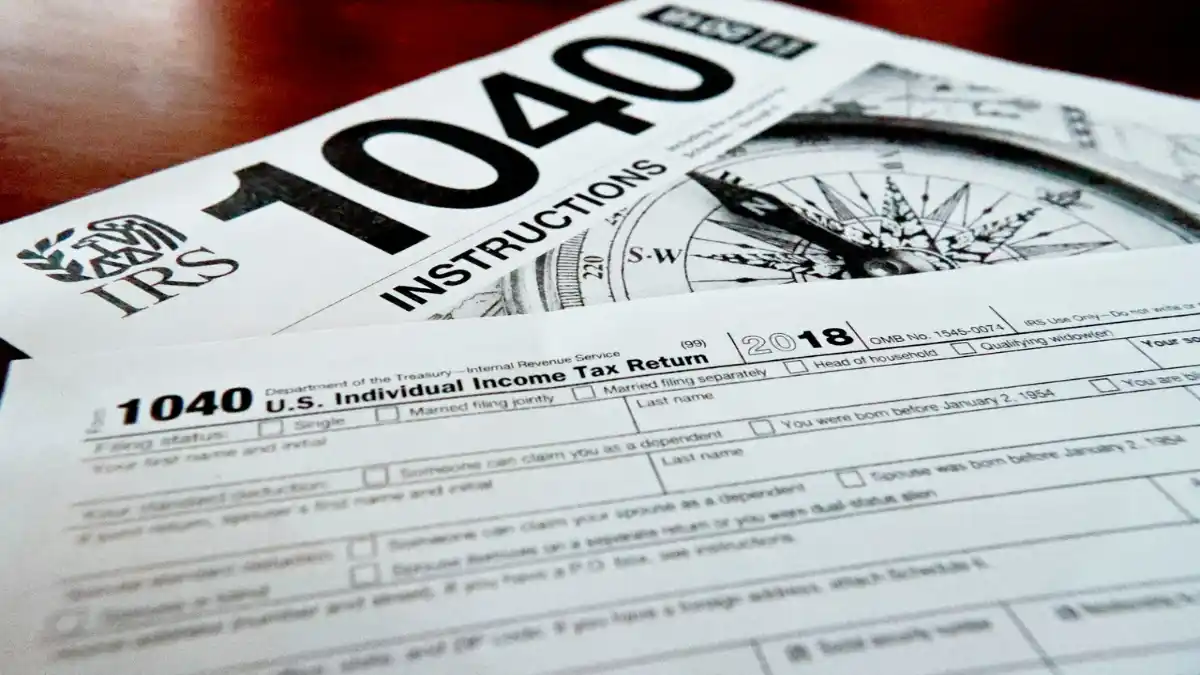
Millions of Americans are still waiting for their tax refunds as the filing season continues. The Internal Revenue Service says refunds are being issued steadily, but several common factors are causing delays for a significant number of taxpayers.
Why Refunds Are Taking Longer for Some Americans
Refund delays are usually tied to additional review steps rather than a systemwide slowdown. Returns that include refundable tax credits, income adjustments, or mismatches between reported income and employer records often require extra verification. These checks are meant to improve accuracy and prevent improper payments.
Paper-filed and amended returns also take longer to process because they require manual handling, unlike electronic filings that move through automated systems.

Filing Method Plays a Key Role
Taxpayers who filed electronically and selected direct deposit are typically paid faster. Electronic returns are processed more efficiently, and direct deposit avoids mail-related delays.
Those who requested paper checks or filed by mail may wait longer even after their refund is approved.

When Payments May Hit Bank Accounts
Most electronic filers who choose direct deposit receive refunds within up to 21 days after their return is accepted. Returns accepted in late January or early February often see payments arrive in February, depending on review status and bank processing times.
There is no single nationwide payment date. Refunds are issued on a rolling basis, meaning timing varies by taxpayer.

Bank Processing and Timing Factors
Even after a refund is released, banks may take additional time to post the deposit. Weekends and federal holidays can also delay when funds appear in an account.
A refund status marked as “processing” simply means the return is still under review and does not automatically indicate a problem.

How to Check Your IRS Refund Status
Taxpayers can track refund progress using official IRS tools. Status updates typically show when a return has been received, approved, and sent, and are refreshed once per day. Checking more frequently does not speed up processing.
If more information is required, the IRS will contact the taxpayer directly by mail.

What Taxpayers Should Do While Waiting
To avoid further delays, taxpayers should not file duplicate returns or submit unnecessary amendments. Ensuring personal information and banking details are accurate is essential. Respond promptly to any IRS requests for documentation to keep processing moving.
What to Expect Next
Refund payments will continue to roll out as returns complete processing. While many Americans will receive payments soon, others may experience delays due to verification or filing method.